

Kindergarten
Short days. Beautiful books.
Charlotte Mason said formal education should not begin before age six. Living Heritage Kindergarten is one cycle-independent plan — Bible stories, classic picture books, folk tales, poems, art and music, letter and number play. Charlotte Mason method, Reformed foundation, gentle and joyful.
What it looks like
A short morning, a long afternoon of play.
Kindergarten in Living Heritage runs about one hour of quiet, quality read-alouds per day, split into short blocks that you can do around other things. The rest of the day can be unstructured play, outdoor time, and helping Mom.
What's included
Five gentle, daily subjects, all in short blocks. Four looped subjects, one per week.
Parent Education Course.
-
Bible
Leading Little Ones to God and Little Pilgrim's Progress. Second semester is The Child's Story Bible from Banner of Truth and R. C. Sproul's children's stories.
-
Folk tales & fables
Aesop's Fables for Children, American tall tales, picture books like Chanticleer and The Three Billy Goats Gruff. The earliest narratives that shape moral imagination and form the building blocks of story.
-
Classic children's books
Winnie the Pooh, Curious George, Beatrix Potter, and other gentle classics that every child should know and love.
-
Poems
A Child's Garden of Verses (Stevenson), the poems of A. A. Milne. One short poem a day to tune the ears the gentle rhythms of verse.
-
Optional Phonics and Handwriting
Optional phonics and handwriting lessons and Fridge Phonics free-play. No pressure. Just some gentle instruction for when little minds want to read and little hands want to write.
-
Music
Kindermusik folk songs, Vivaldi's Ring of Mystery, Peter and the Wolf and other delightful classics perfect for little listeners to grow their love of quality music. Once per week.
-
Math Games
Number play, shape puzzles, math games. No worksheets at this age. Just once a week math exploration and discovery of how numbers fit together.
-
Art
Art card games, masterpiece sticker books, search and find art books. Picture-study habits begin gently through excited recognition of great art and building a picture gallery in the mind. Once per week.
-
Natural science
Daily outdoor exploration — backyard, neighborhood, walking further afield once a week with a field guide. The beginning of nature study.
-
Parent Education Course (Premium)
In the premium plans, Becky pairs the K plan with daily parent readings — don't worry, they're short — so Mom or Dad is being formed alongside the child and building a strong foundation for the homeschooling journey. Pair readings with our book discussion group video recordings for an even richer learning experience.
Together with the family
What if I have other school-aged children?
We recommend that you only do the full Kindergarten plans if you’re homeschooling just one young child. If you have other children in Group 1 (grades 1-4) to whom you’re reading aloud, then your Kindergartener can simply sit in on some of your readings and the beginning of Together Time. Then you can choose one or two books from the plans to read aloud to your Kindergarten child for some one-on-one time and a little phonics or math play, as indicated in the plans.
The Kindergarten year is more about you, the parent, learning to homeschool and your child learning the habit of attention.
What you don't do
Things Living Heritage Kindergarten deliberately skips.
No daily worksheets. Letter and number play lead children to discover on their own how word and math patterns work. An optional beginning handwriting book is the only writing, capped at five minutes a day and used only as the child begins trying to write words.
No formal lessons. Kindergarten is the year to cultivate habits of obedience and attention while cultivating a love for reading. The very best picture books and some cuddle time with Mom will reap far more lasting rewards than a mini-desk and flash cards.
No academic pressure. If your child can't read fluently at the end of Kindergarten, that's normal. Many gain fluency in first or second grade. The CM method explicitly recommends not forcing formal academics before age six. Instead, focus on habits and loves that will carry through your homeschooling journey, and don't compare your child to any other child. Children are not machines on an assembly line — they are people.
A glimpse
Some of the books in a Living Heritage Kindergarten year.
Bible stories, classic picture books, folk tales, poems, classical music and art selections, beginning phonics and number play resources. The complete linked book list comes with every plan.
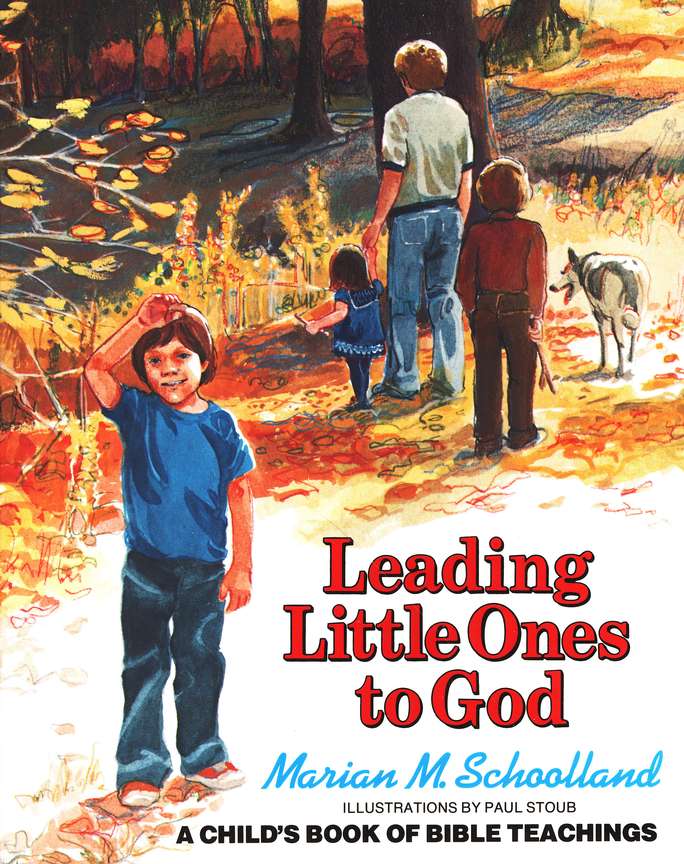
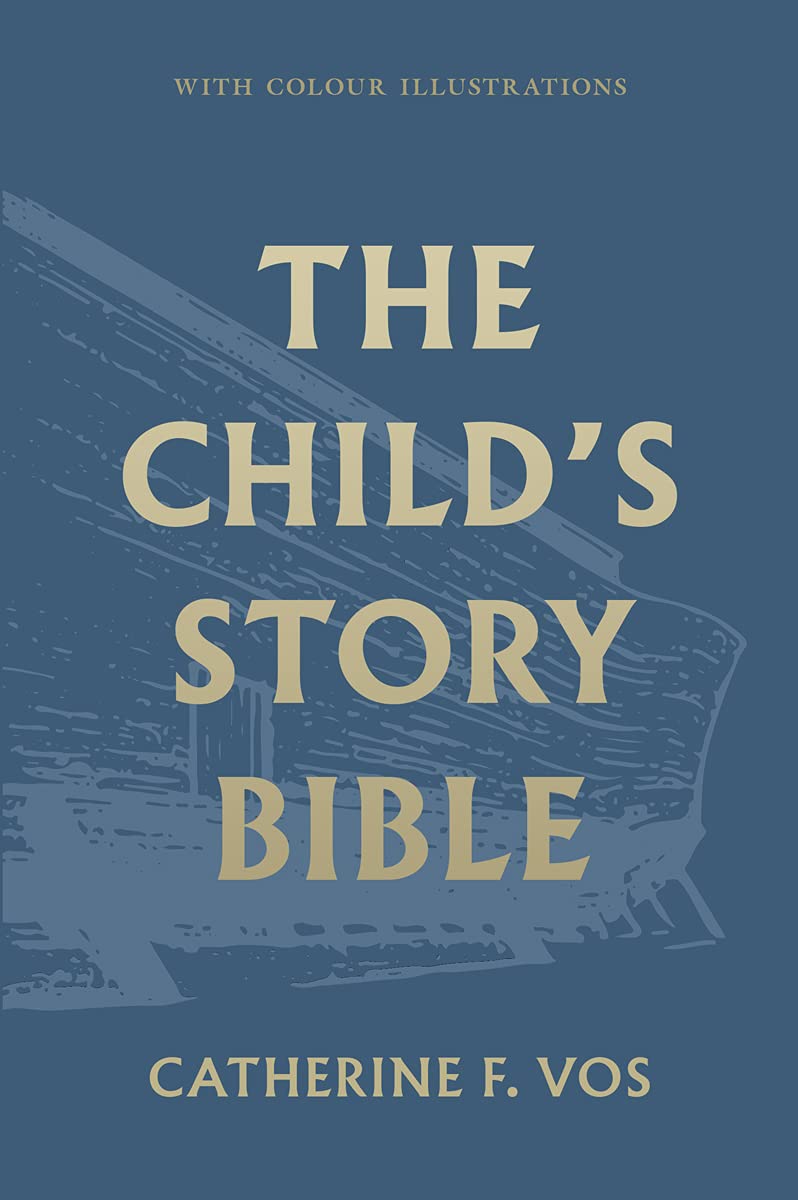
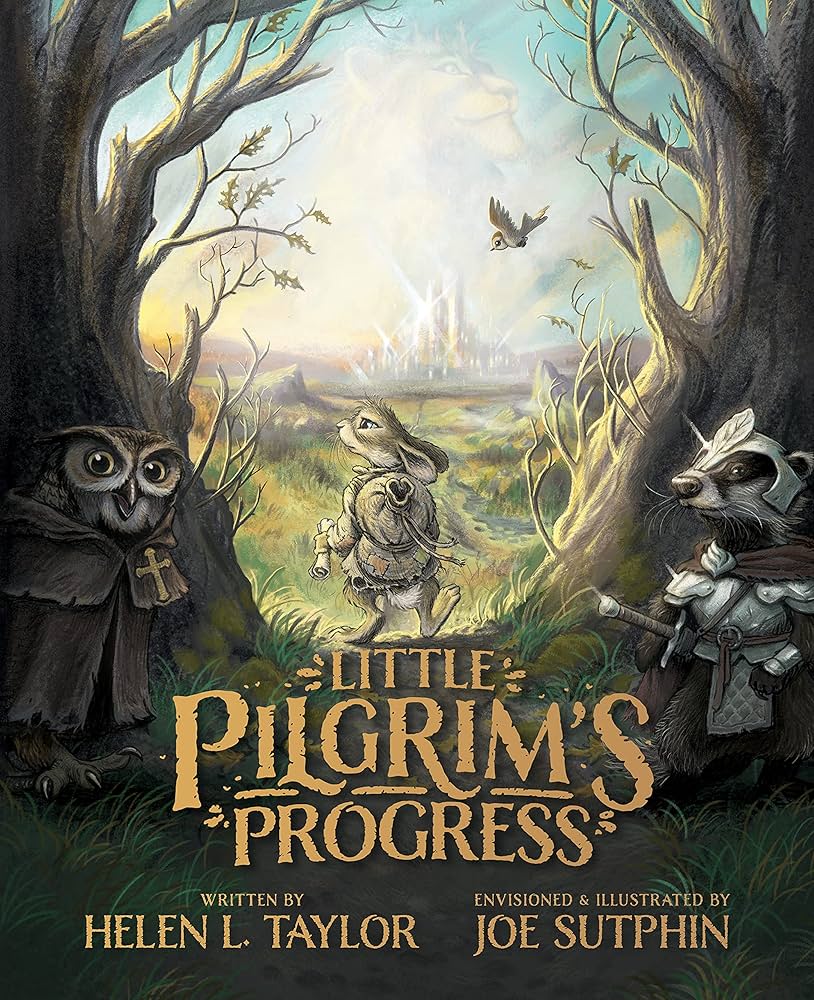
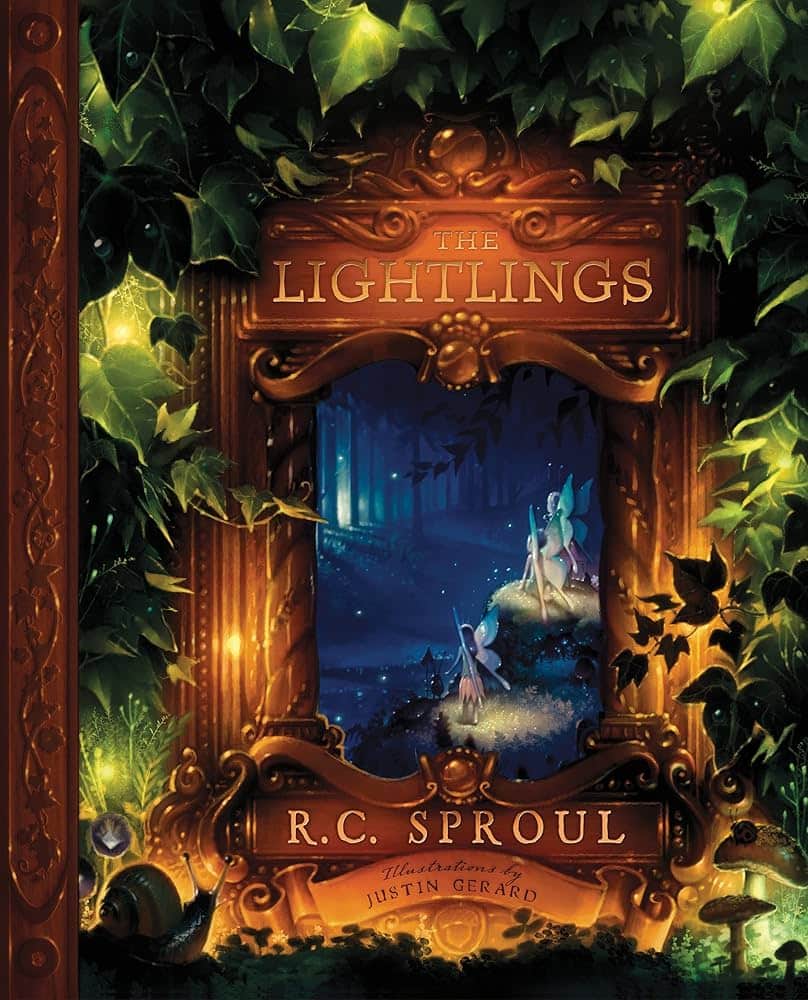
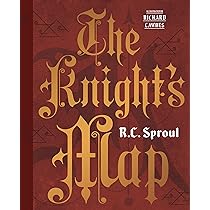
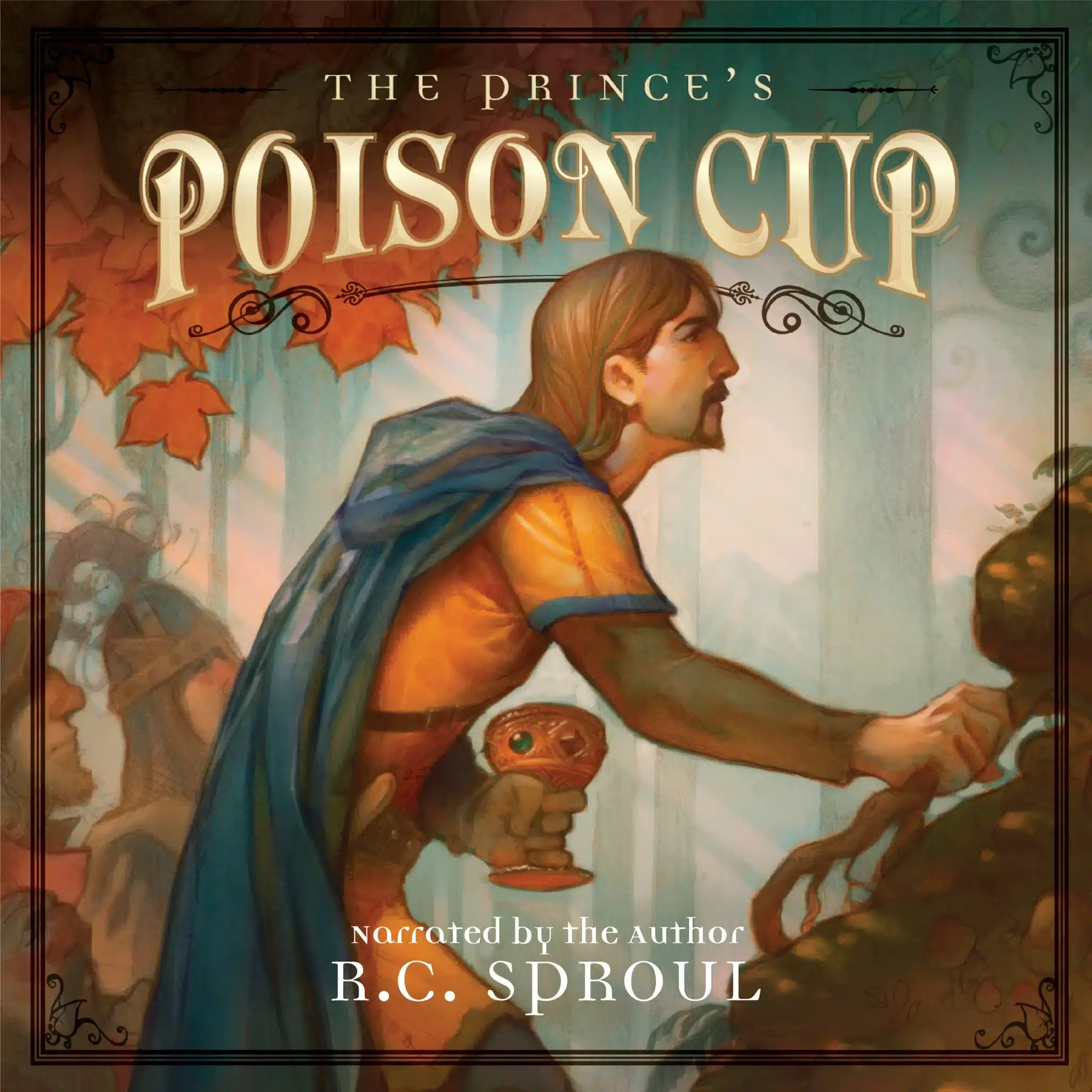
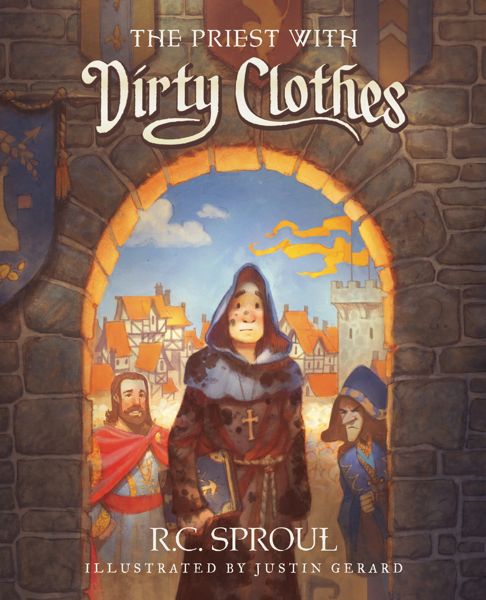
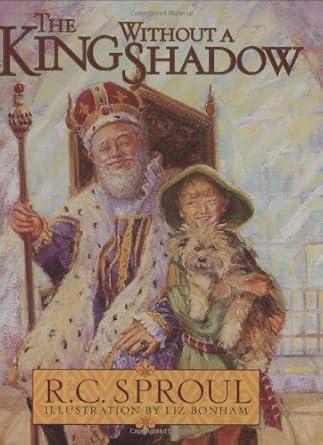
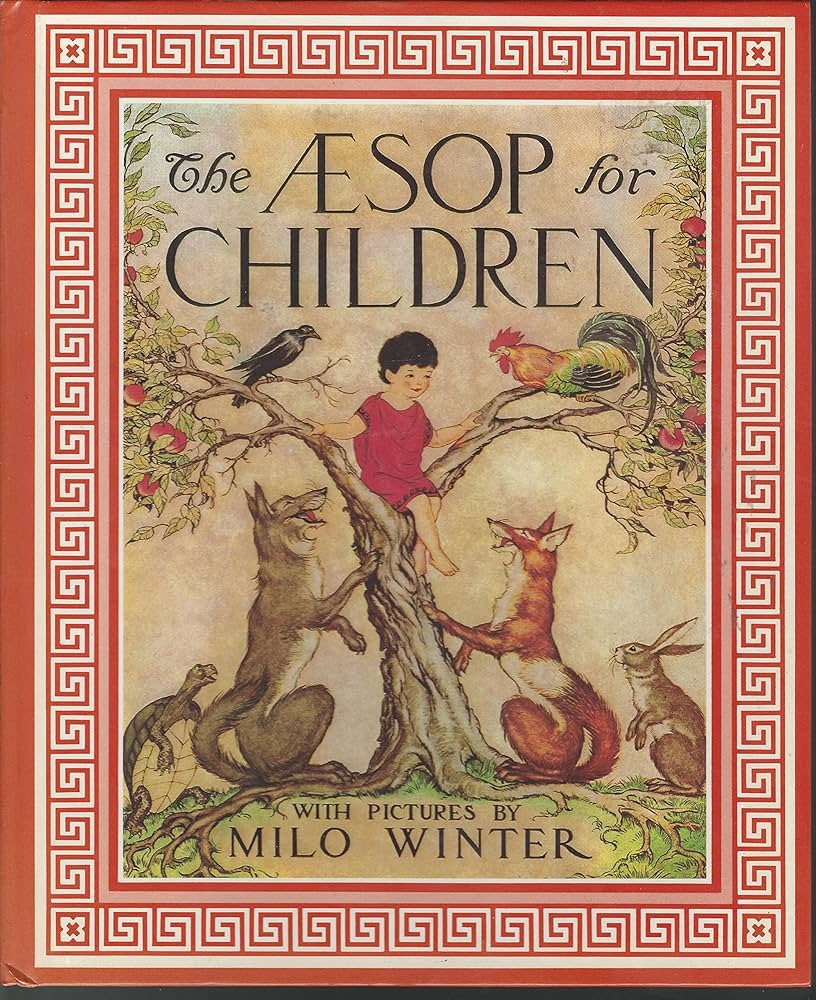
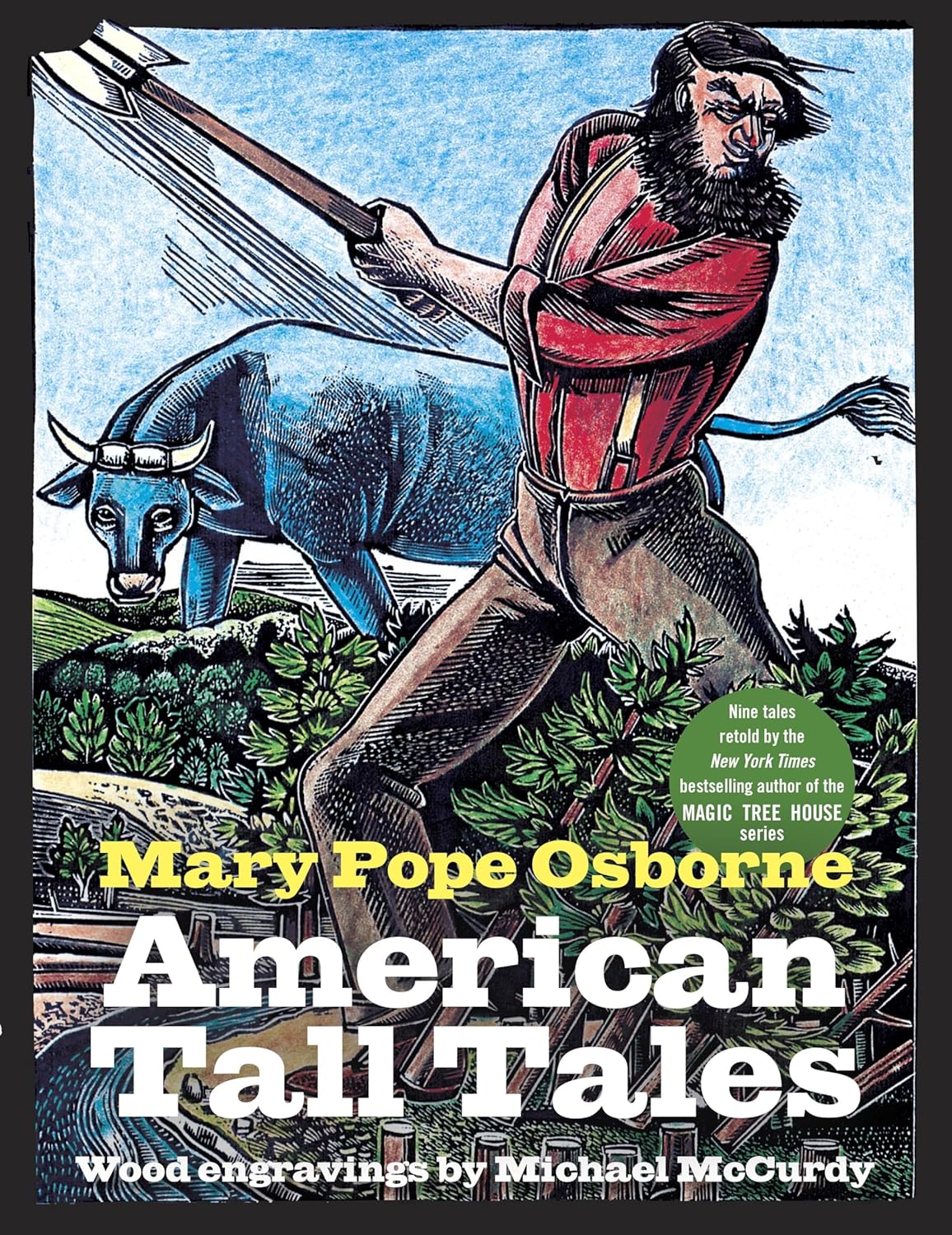
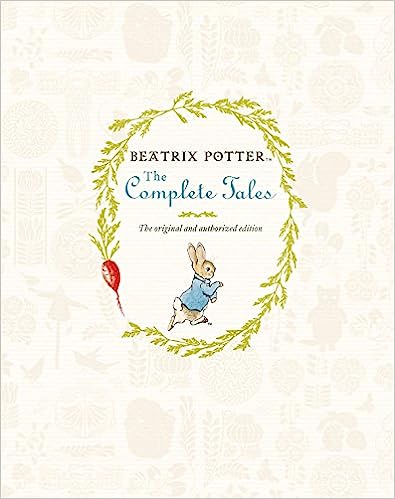
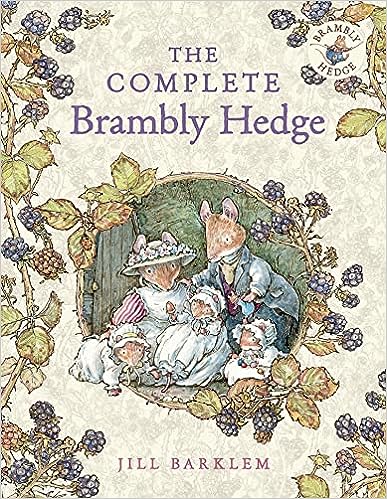
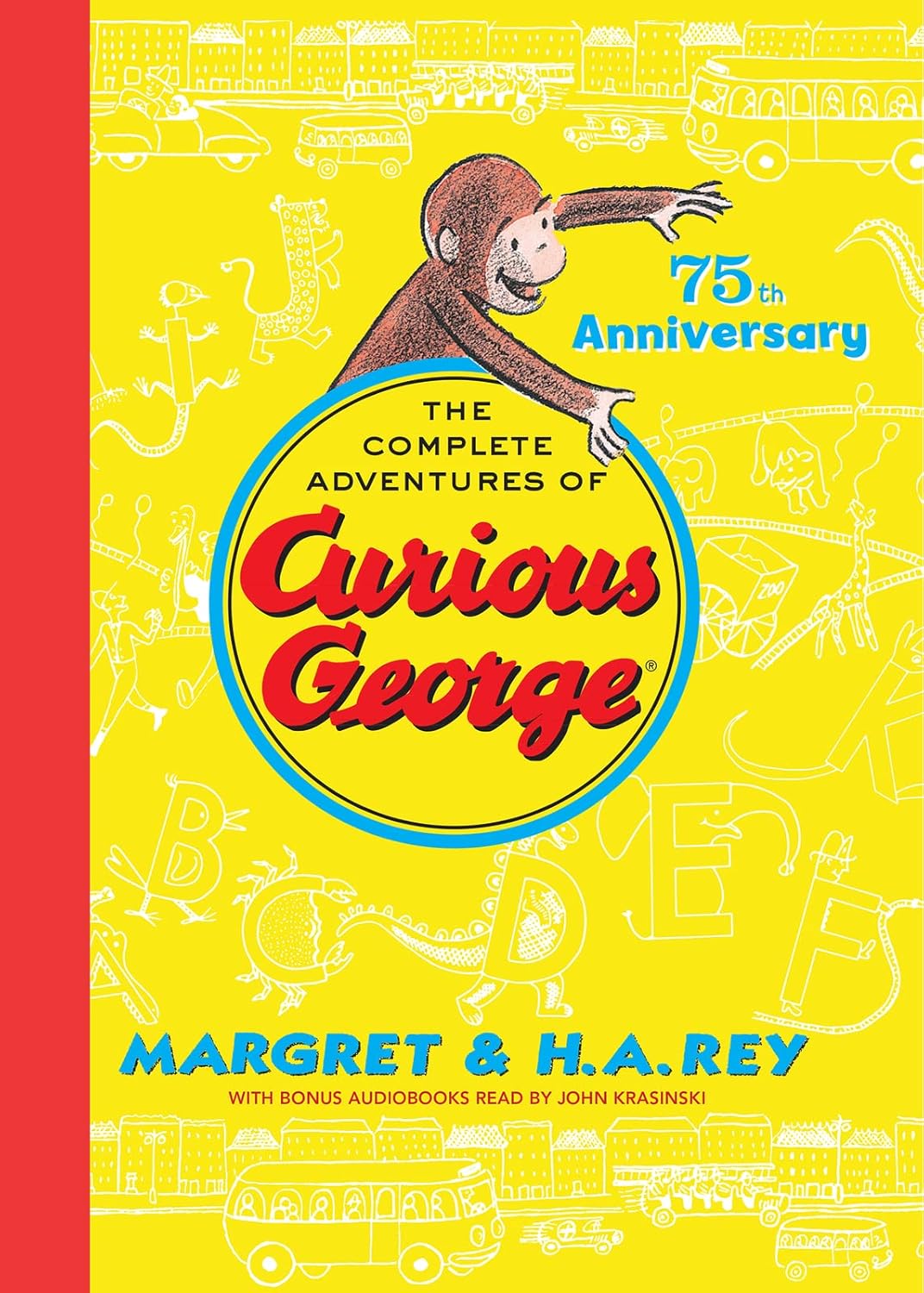
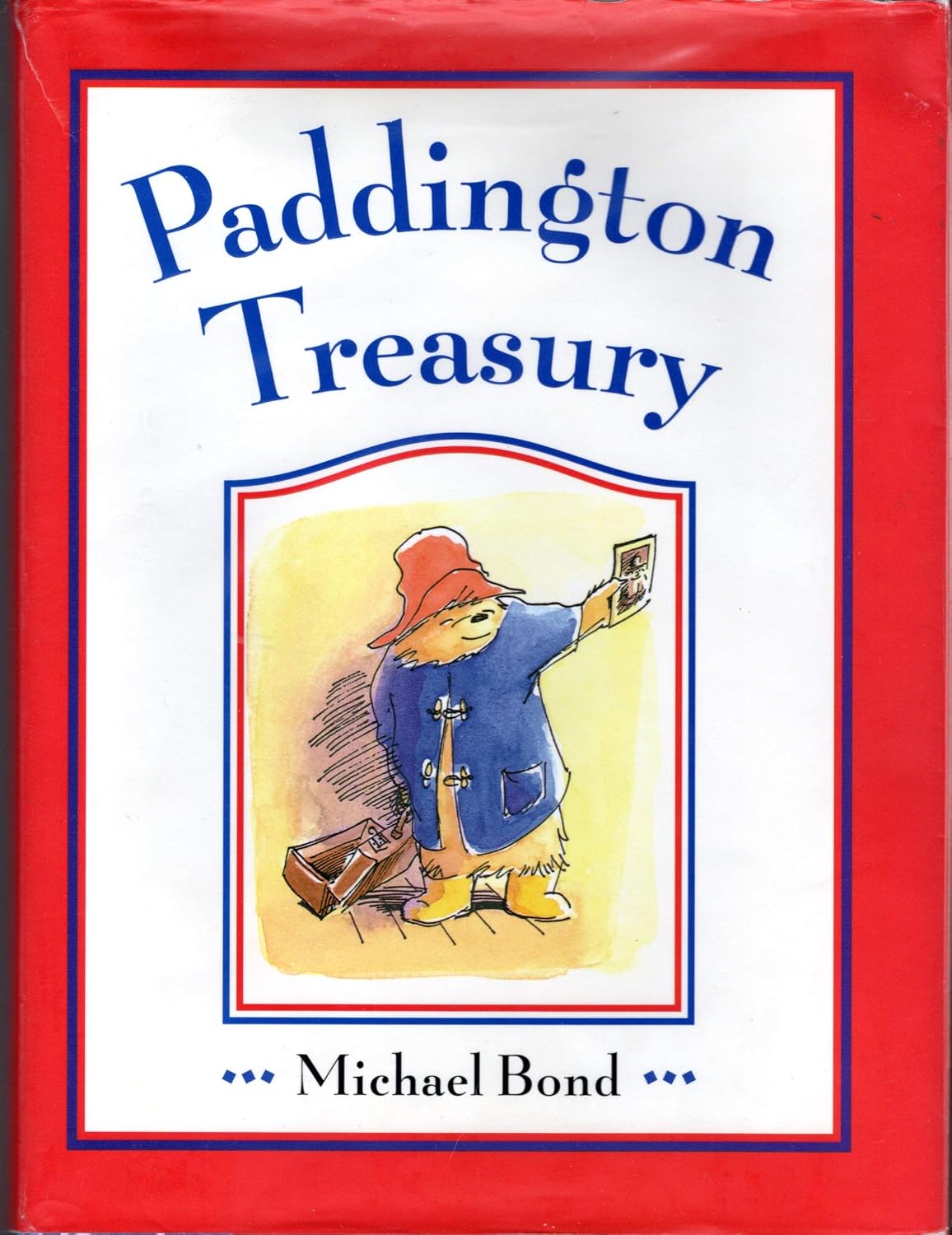
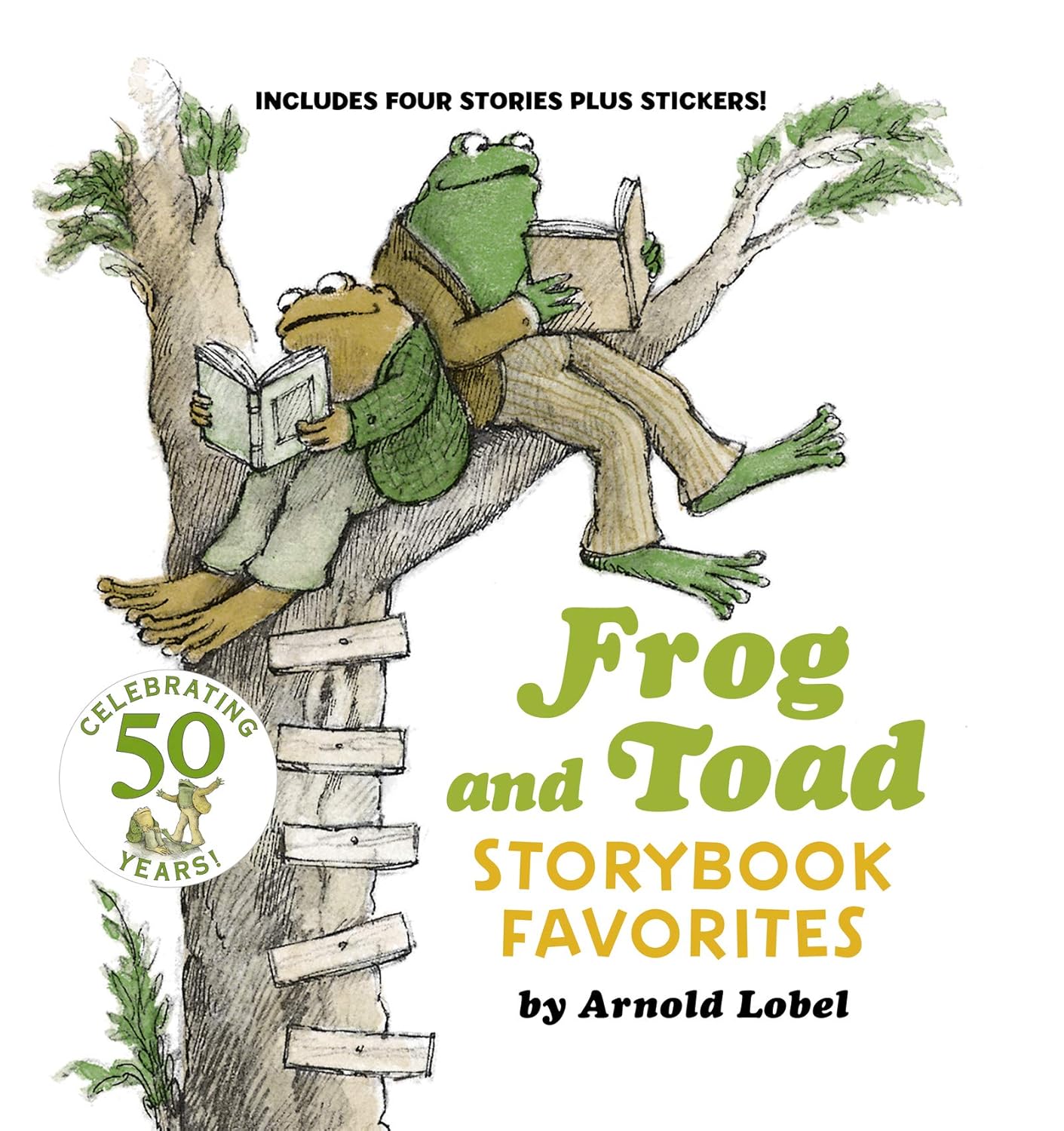
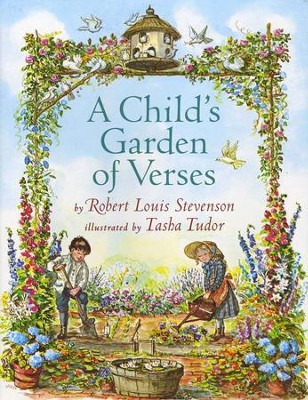
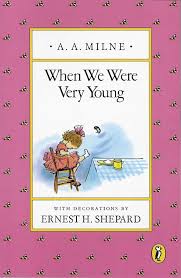
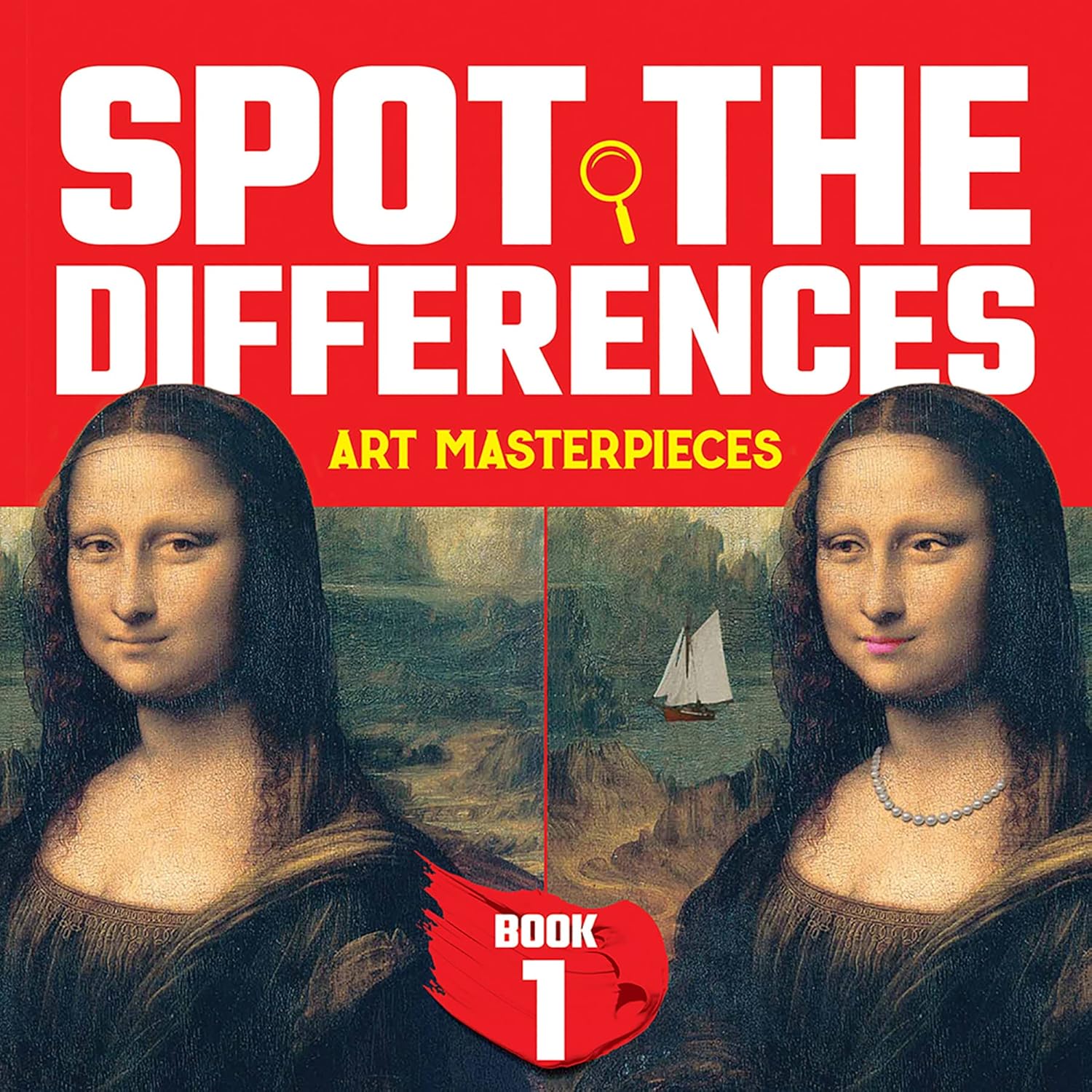
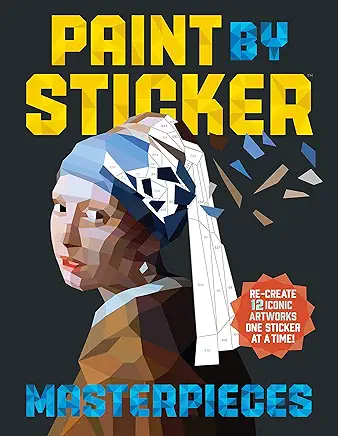
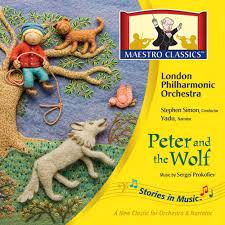
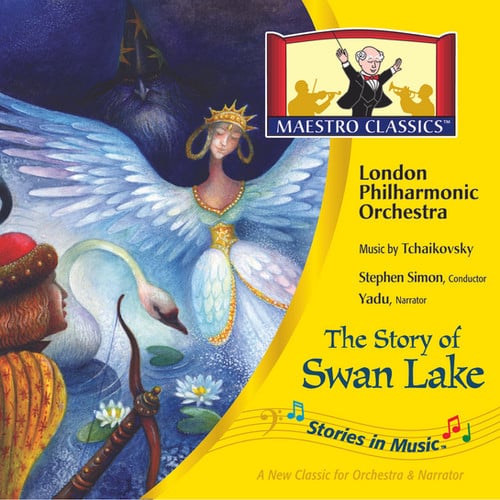
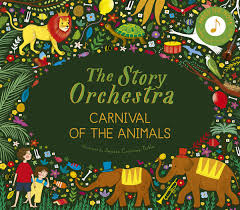
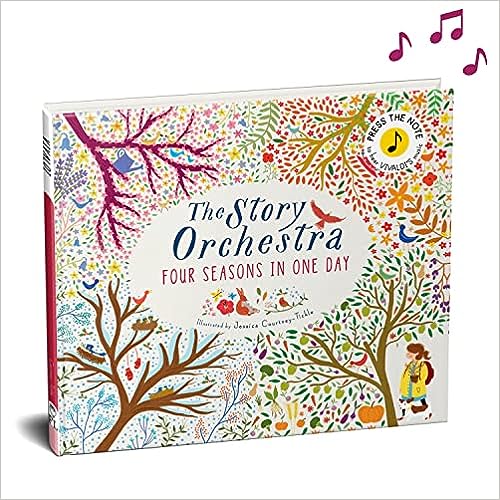
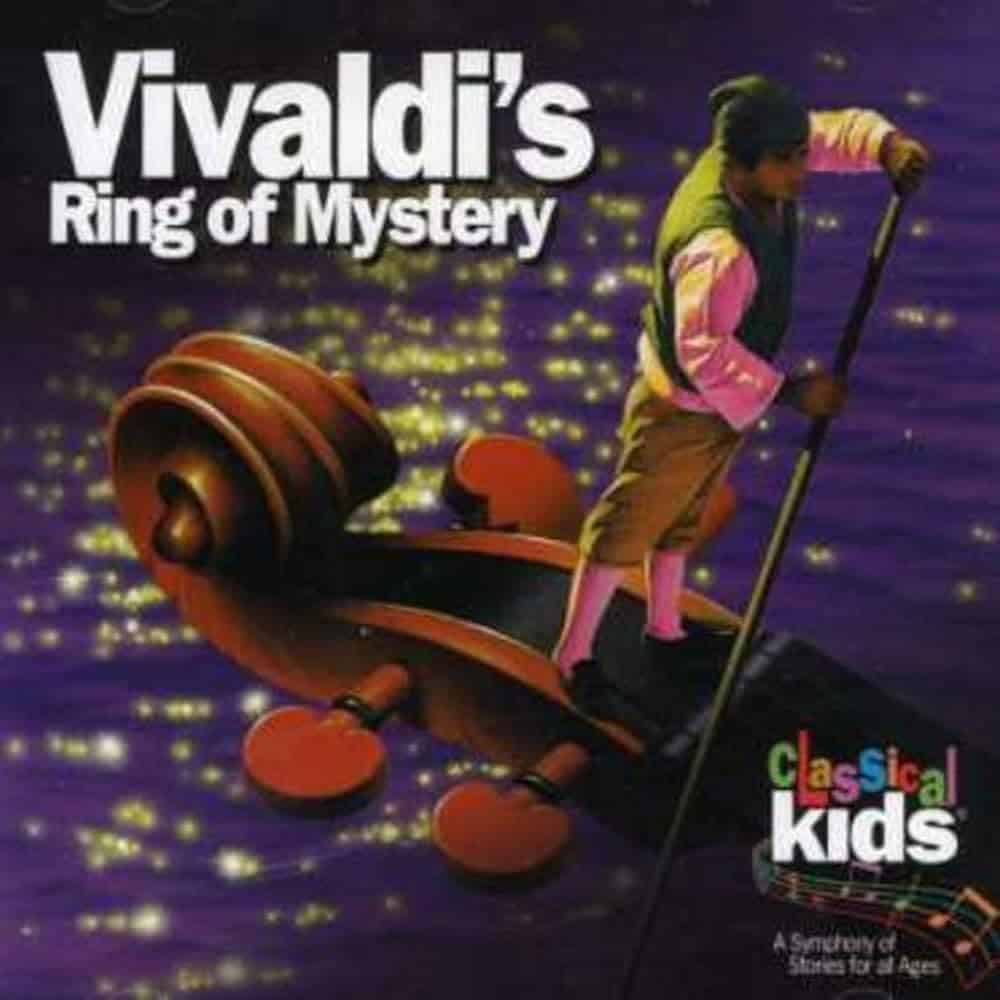
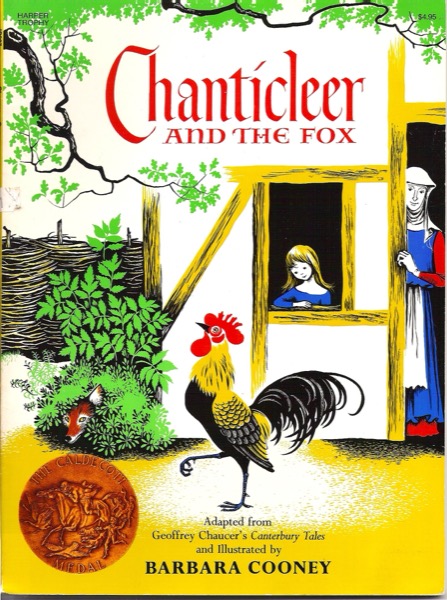
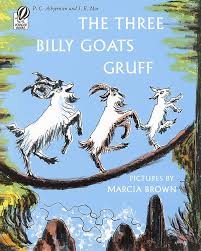
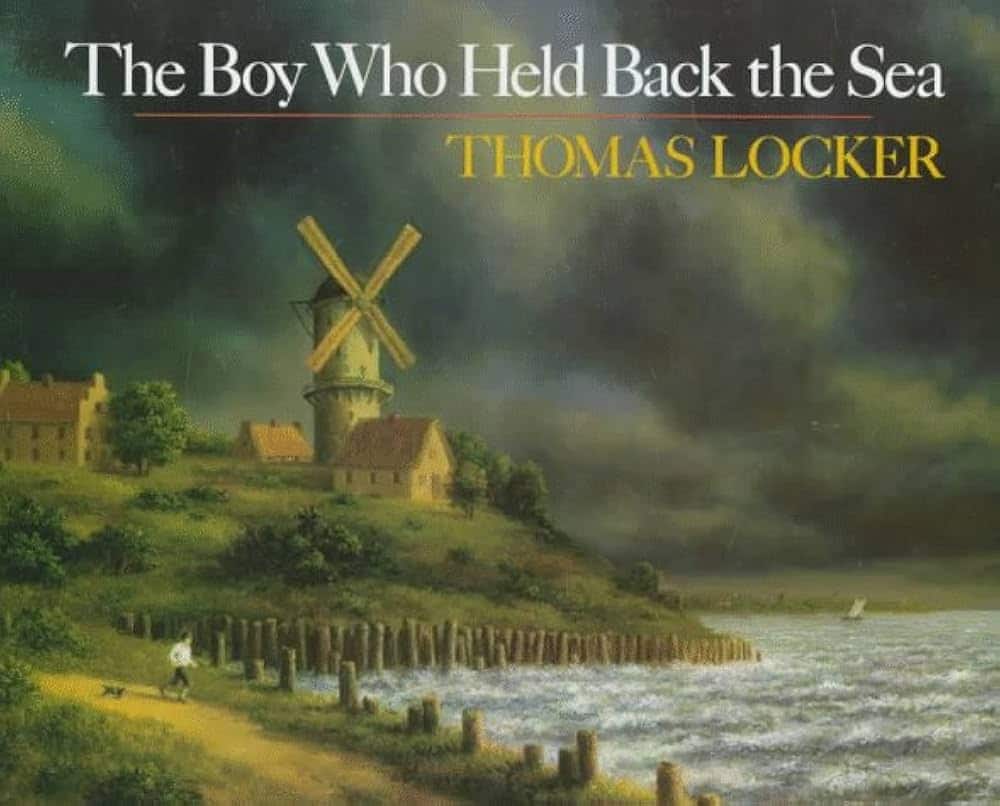
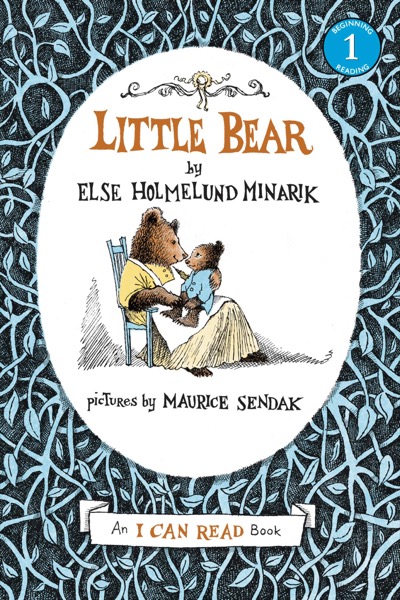
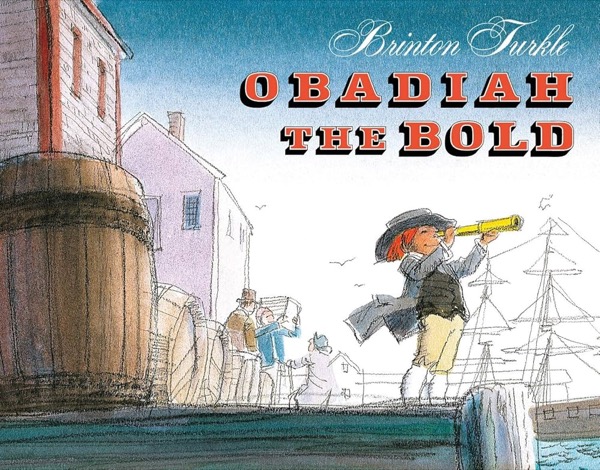
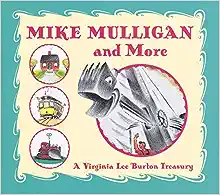
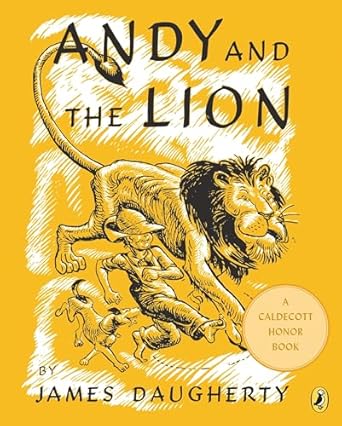
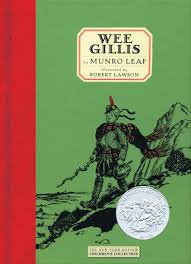
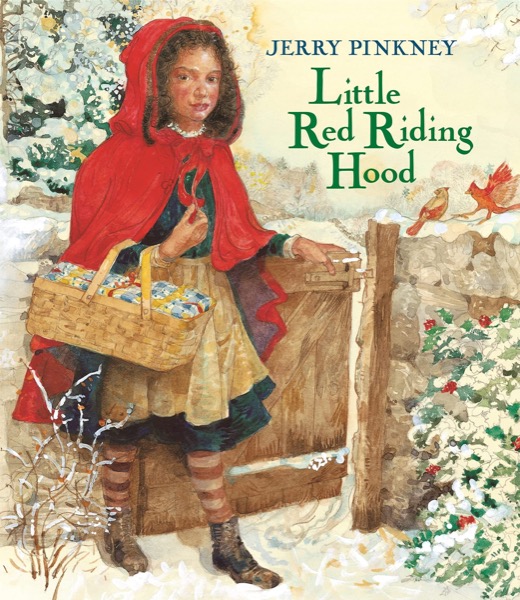
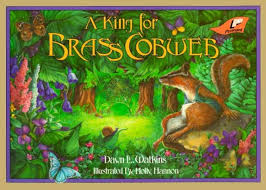
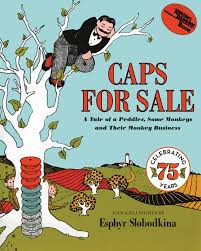
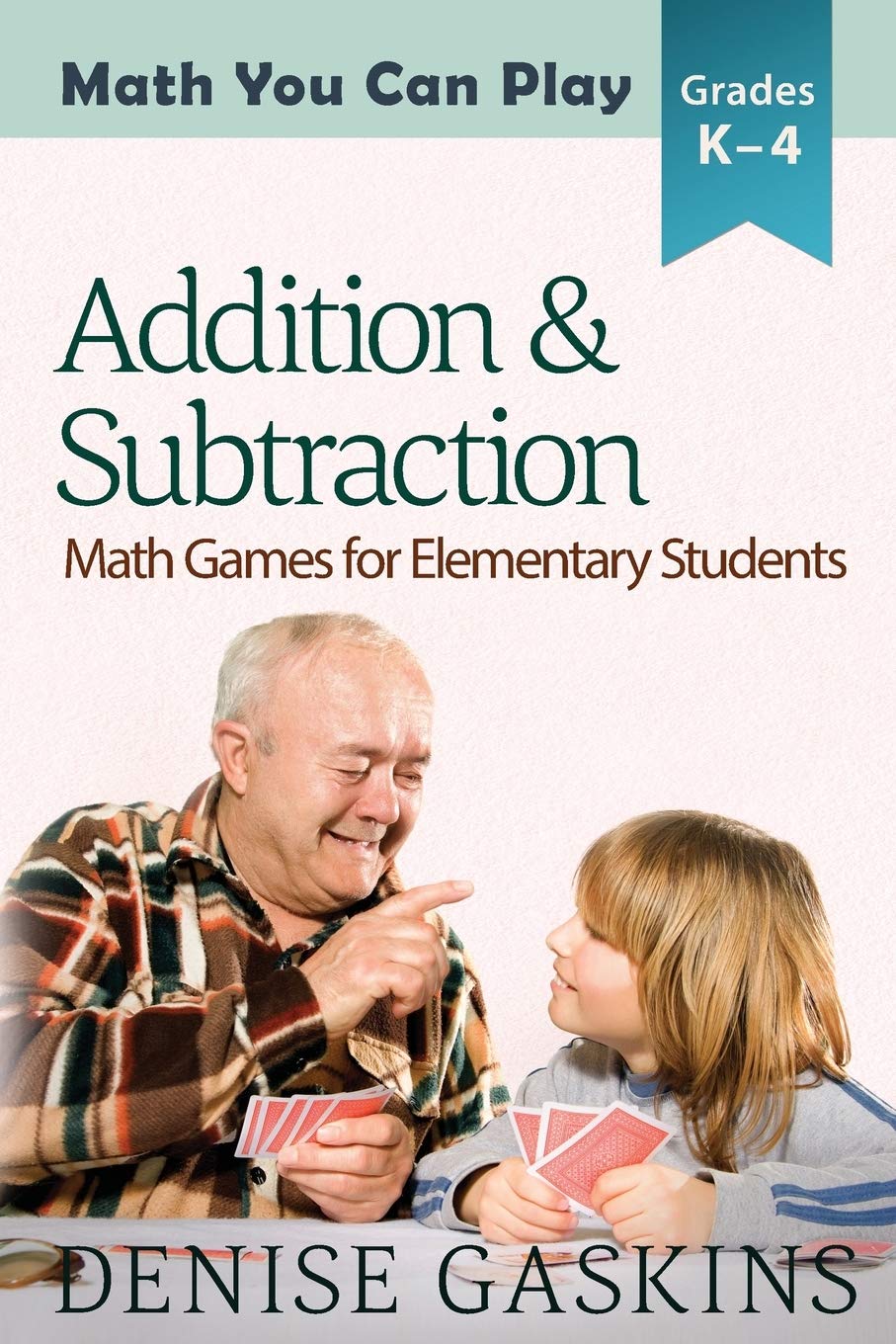
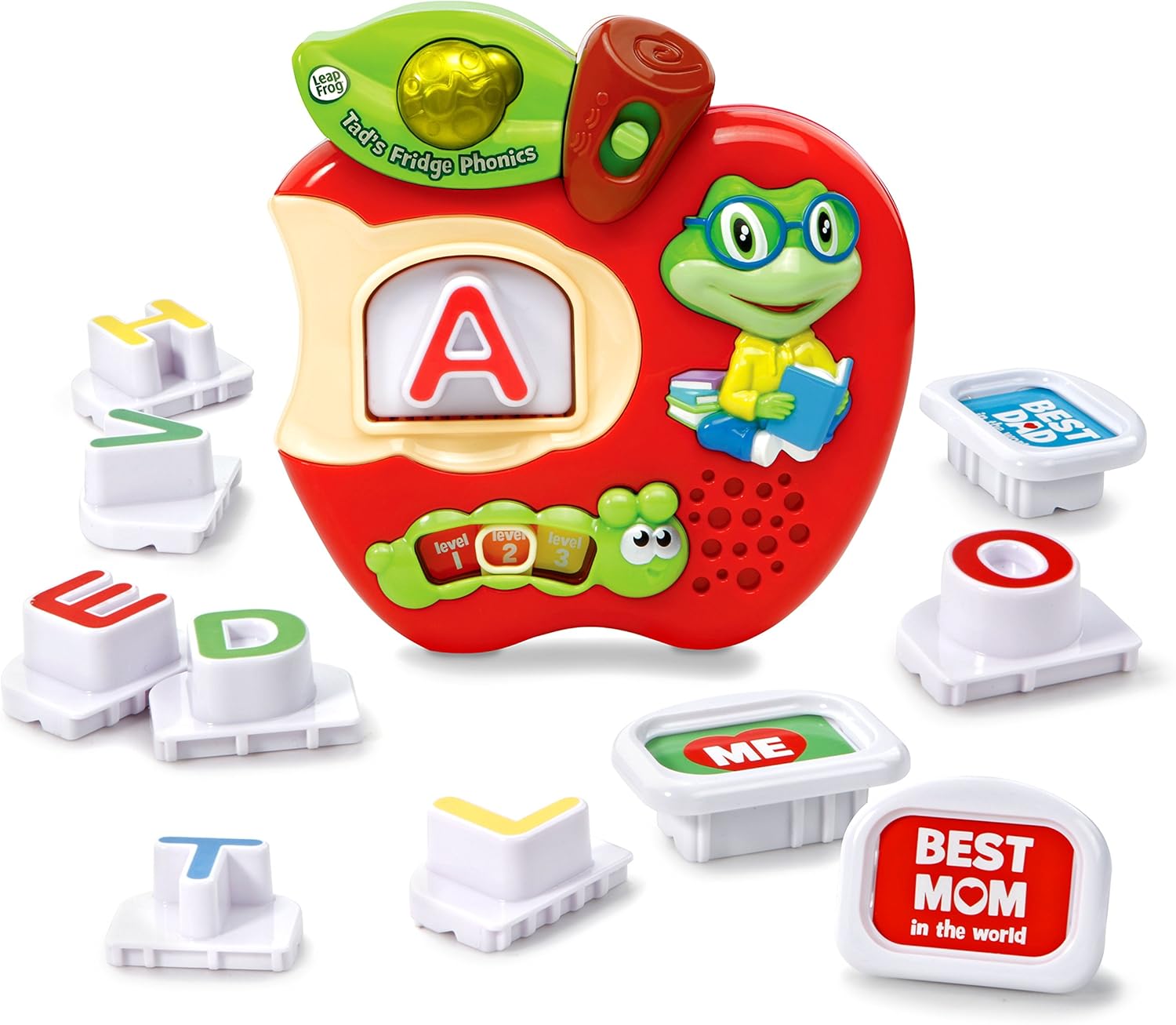
This is a sample of the books used in Kindergarten. All of our additional Kindergarten picture books match this classic style and quality in truth, goodness, and beauty. A complete linked book list with titles, publishers, and exclusive discount codes comes with the plan you purchase. About 75% of the Kindergarten books are free online; all are in print, and many may be at your library. We strongly encourage the use of the library for Kindergarten.
Just starting out?
Begin gently with the Kindergarten plan.
Living Heritage Kindergarten is one cycle-independent plan — your child learns through picture books, music, and play. If you're homeschooling older children, pick-and-choose sparingly from the Kindergarten plans while your child listens in on Group I read-alouds. This is the year they learn to pay attention, play with intention, and pray with devotion. Kindergarten is the year they get excited.